
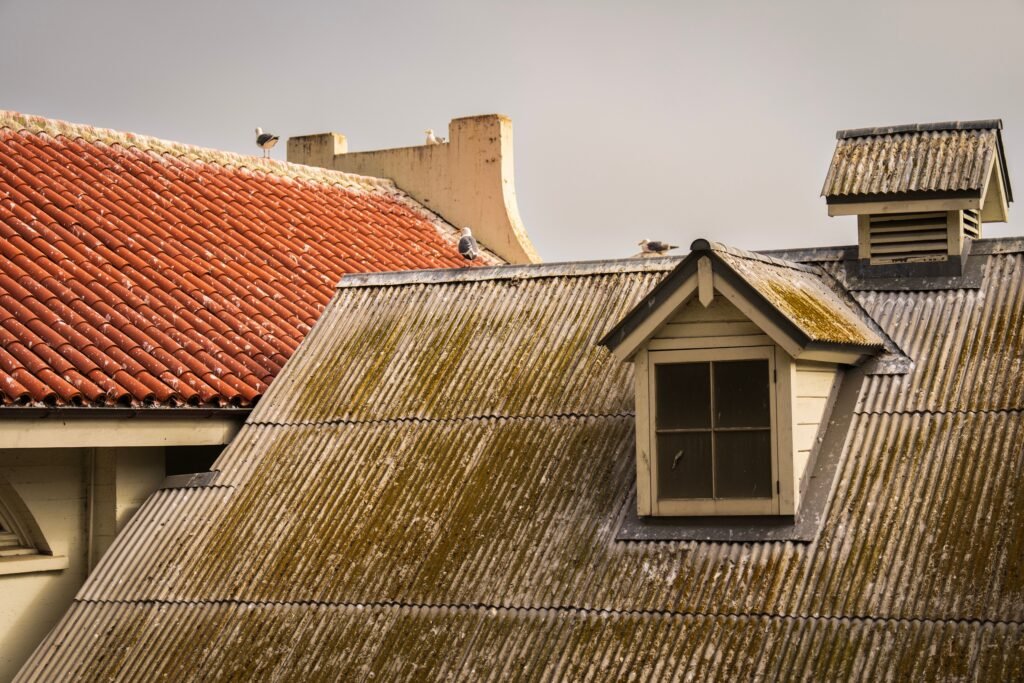

Your roof is one of the hardest-working parts of your home, standing guard through storms, scorching heat, and freezing temperatures without a word of complaint. Despite everything it handles, it tends to get pushed to the bottom of the home maintenance list until something goes visibly wrong. The good news? Keeping your roof in solid shape doesn’t have to be complicated or cost a fortune. A few consistent habits and a little forward thinking can stretch the life of your roof considerably and spare you from some seriously expensive surprises.
Schedule Regular Roof Inspections
One of the best habits a homeowner can develop is scheduling professional roof inspections twice a year, ideally in the spring and fall. These visits are designed to catch the small stuff before it quietly turns into a costly nightmare. A trained professional can identify cracked flashing, missing shingles, or early-stage water damage that most people would never notice from the ground. Catching those issues early means fixing them for a fraction of what it would cost after the damage has had time to spread. Between professional visits, it’s worth taking a few minutes after major storms to scan the roofline from the yard and look for anything that seems off.
Keep Your Gutters Clean and Functional
Gutters might not seem glamorous, but they play a surprisingly big role in keeping your roof protected from water damage. When they get clogged with leaves, twigs, and debris, water backs up with nowhere to go and starts seeping under shingles or pooling along the roofline. Over time, that standing water causes rot, mold, and gradual structural weakening that can sneak up on you. Cleaning your gutters at least twice a year (more often if you have trees nearby) is one of the simplest and most effective things you can do for your roof’s health. While you’re at it, check that your downspouts are directing water well away from your foundation, since poor drainage can create problems that eventually work their way upward.
Trim Overhanging Tree Branches
Trees close to your home add shade and character, but branches hanging directly over your roof are a slow-moving hazard. On windy days, those branches scrape against shingles and wear away the protective granule coating that helps shingles do their job. In a bad storm, larger limbs can snap off entirely and land with enough force to cause real structural damage. Beyond the physical impact, overhanging trees shed leaves and debris that sit on your roof and trap moisture, creating the perfect conditions for moss and algae to take root. Keeping branches trimmed back to a safe distance from your roofline is a straightforward task with long-term payoffs.
Address Moss and Algae Growth Early
Moss and algae might look like nothing more than a cosmetic annoyance, but letting them linger can do genuine damage to your roof over time. Moss clings to moisture and holds it against your shingles, which gradually breaks down the materials and opens the door to leaks. Algae tends to show up as dark streaking across the surface and can deteriorate roofing materials in a similar way. When this kind of damage is left unaddressed for too long, Roofing replacement becomes a much more likely outcome for homeowners who skipped the routine upkeep. Fortunately, there are roof-safe cleaning solutions that can tackle existing growth without harming your shingles, and installing zinc or copper strips along your ridge can help keep new growth from getting started.
Ensure Proper Attic Ventilation and Insulation
What’s happening inside your attic has a direct impact on how well your roof holds up through changing seasons. In the summer, poor ventilation traps heat and causes shingles to break down prematurely from the inside out. Come winter, insufficient insulation allows warm air to escape from your living space, melting rooftop snow that then refreezes at the eaves as ice dams, forcing moisture back beneath your shingles. Both scenarios lead to damage that’s entirely preventable with the right attic conditions. Having a professional evaluate your ventilation and insulation setup is a smart, relatively low-cost investment that protects your roof from a direction most homeowners never think to look.
Conclusion
Protecting your roof year-round doesn’t demand a major time commitment or a deep budget. It calls for consistency, a little attention, and the willingness to deal with small problems before they become big ones. By keeping up with inspections, maintaining clean gutters, trimming nearby branches, tackling moss and algae early, and making sure your attic is properly set up, you give your roof a real shot at lasting for decades. A modest amount of preventative care today can make all the difference in protecting your home and your investment for many years ahead.