
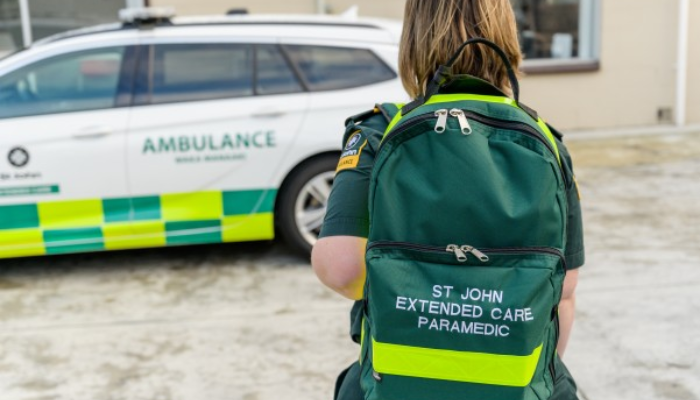

The role of an extended care paramedic has rapidly evolved as healthcare systems worldwide seek innovative solutions to manage growing patient demand, reduce hospital overcrowding, and improve access to community-based care. Traditionally, paramedics were primarily responsible for emergency response and patient transport to hospitals. Today, extended care paramedics (ECPs) are transforming this model by delivering advanced assessment, treatment, and referral services directly within communities.
An extended care paramedic bridges the gap between emergency services and primary healthcare, offering a more holistic and patient-centered approach. Whether managing chronic conditions, conducting home assessments, or coordinating alternative care pathways, these professionals play a crucial role in modern healthcare ecosystems. As healthcare continues shifting toward preventive and community-focused models, understanding the extended care paramedic profession becomes increasingly relevant for patients, healthcare providers, and policymakers alike.
What Is an Extended Care Paramedic? Roles and Scope of Practice
An extended care paramedic is a highly trained paramedic who operates beyond traditional emergency response responsibilities. These professionals provide comprehensive clinical assessments, initiate treatment plans, and determine whether hospital transport is necessary. Instead of automatically transporting patients to emergency departments, ECPs evaluate alternative care pathways, such as referral to primary care providers, community health services, or self-management strategies.
The expanded scope of practice allows extended care paramedics to address low-acuity but clinically significant cases within the community. This includes treating minor injuries, managing chronic conditions, performing wound care, administering medications, and offering patient education. In many healthcare systems, ECPs also conduct scheduled home visits, post-discharge follow-ups, and wellness checks for vulnerable populations, improving continuity of care.
Healthcare organizations such as the National Health Service have integrated extended care paramedics into community response teams to reduce unnecessary hospital admissions. Similarly, models supported by the World Health Organization highlight community paramedicine as a strategy for strengthening primary healthcare and improving health system resilience.
Education, Training, and Certification Requirements
Becoming an extended care paramedic requires significant education and professional development beyond standard paramedic training. Most ECPs begin their careers as licensed paramedics, gaining clinical experience in emergency medical services (EMS) environments. This foundational experience ensures competence in acute patient care, rapid decision-making, and emergency interventions.
Following initial experience, paramedics typically pursue postgraduate education or specialized certification programs in extended care or community paramedicine. These programs emphasize advanced clinical assessment, pharmacology, primary care management, chronic disease monitoring, and communication skills. Many curricula also incorporate mental health assessment, geriatric care, and social determinants of health, reflecting the broader responsibilities of the role.
Professional organizations such as the Australian College of Paramedicine and the College of Paramedics provide guidance on competency frameworks, continuing education, and professional standards. Continuous professional development remains essential, as extended care paramedics must stay updated with evolving clinical guidelines, telehealth technologies, and integrated care models.
Key Benefits of Extended Care Paramedic Programs
Extended care paramedic programs offer substantial benefits to patients, healthcare systems, and emergency services. One of the most significant advantages is reduced emergency department overcrowding. By treating appropriate cases within the community, ECPs help reserve hospital resources for critically ill patients. This improves patient flow, decreases wait times, and enhances overall system efficiency.
Patients also benefit from receiving care in familiar environments, such as their homes. This approach promotes comfort, reduces stress, and minimizes exposure to hospital-associated risks, including infections. For elderly patients and individuals with mobility challenges, community-based care delivered by extended care paramedics can be particularly impactful, supporting independence and improving quality of life.
From a health economics perspective, extended care paramedic services contribute to cost savings by preventing unnecessary hospital transports and admissions. Additionally, these programs strengthen preventive care by identifying emerging health issues early and facilitating timely interventions. The result is a more sustainable healthcare model that prioritizes proactive management over reactive treatment.
Challenges and Limitations Facing Extended Care Paramedics
Despite the many advantages, extended care paramedic programs face several challenges that can affect implementation and scalability. Regulatory barriers are among the most significant obstacles, as scope-of-practice laws vary across jurisdictions. In some regions, paramedics may face restrictions on prescribing medications, performing certain procedures, or making independent referral decisions, limiting the full potential of the role.
Another challenge involves workforce capacity and training availability. Developing extended care paramedics requires investment in education, mentorship, and clinical governance frameworks. Healthcare systems must also ensure appropriate clinical oversight, quality assurance, and integration with other providers to maintain patient safety and continuity of care.
Operational challenges, including funding models and public awareness, can further complicate program expansion. Without clear reimbursement structures, healthcare organizations may struggle to sustain extended care paramedic services. Additionally, patients may not fully understand the capabilities of ECPs, potentially affecting acceptance and utilization. Addressing these challenges requires collaboration among policymakers, healthcare leaders, educators, and community stakeholders.
The Future of Extended Care Paramedic Practice
The future of the extended care paramedic profession appears promising as healthcare systems increasingly embrace integrated and community-based care models. Advances in telemedicine and digital health technologies are expanding the capabilities of ECPs, enabling remote consultations with physicians, real-time diagnostic support, and improved care coordination. These tools enhance clinical decision-making and broaden the range of services delivered outside hospital settings.
Population aging and the rising prevalence of chronic diseases further reinforce the need for extended care paramedics. As more individuals require ongoing monitoring and support, ECPs can play a central role in managing complex health needs within the community. Their ability to combine emergency expertise with primary care skills positions them uniquely to address healthcare gaps and improve patient outcomes.
Future developments may also include expanded prescribing authority, advanced diagnostic capabilities, and integration into multidisciplinary care teams. Research continues to demonstrate positive outcomes associated with extended care paramedic programs, suggesting that these professionals will remain a vital component of healthcare transformation efforts worldwide.
Conclusion
The extended care paramedic represents a significant evolution in prehospital and community healthcare delivery. By combining emergency medical expertise with advanced clinical assessment and community-focused care, these professionals are redefining the traditional boundaries of paramedicine. Their contributions extend far beyond emergency response, encompassing chronic disease management, preventive care, patient education, and healthcare system navigation.
As healthcare systems confront increasing demand, resource constraints, and shifting population needs, the extended care paramedic model offers a practical and effective solution. While challenges related to regulation, funding, and workforce development persist, ongoing innovation and policy support are likely to drive continued growth. Ultimately, extended care paramedics exemplify the future of patient-centered, integrated healthcare—bringing high-quality care directly to the communities that need it most.
FAQs About Extended Care Paramedics
1. What does an extended care paramedic do?
An extended care paramedic provides advanced assessment, treatment, and referral services within community settings, often avoiding unnecessary hospital transport.
2. How is an extended care paramedic different from a regular paramedic?
While traditional paramedics focus on emergency stabilization and transport, extended care paramedics deliver broader clinical care and community-based management.
3. What qualifications are needed to become an extended care paramedic?
Candidates typically require paramedic licensure, clinical experience, and additional postgraduate or certification training in extended or community paramedicine.
4. Can extended care paramedics prescribe medications?
Prescribing authority varies by region; some jurisdictions allow limited prescribing or medication supply under protocols.
5. Where do extended care paramedics work?
They operate in homes, community clinics, aged care facilities, telehealth environments, and integrated healthcare teams.
6. Do extended care paramedics replace doctors or nurses?
No, they complement existing healthcare providers by delivering accessible care and facilitating coordination across services.
7. Are extended care paramedic programs cost-effective?
Yes, many studies show reduced hospital admissions, lower transport costs, and improved healthcare system efficiency.
8. What types of patients benefit most from extended care paramedics?
Elderly individuals, patients with chronic conditions, low-acuity emergencies, and those requiring follow-up care benefit significantly.
9. Is extended care paramedicine available worldwide?
Availability varies, but many countries are adopting community paramedicine models as part of healthcare reform initiatives.
10. What is the future outlook for extended care paramedics?
The profession is expected to grow due to aging populations, technological advances, and increasing demand for community-based healthcare services.