
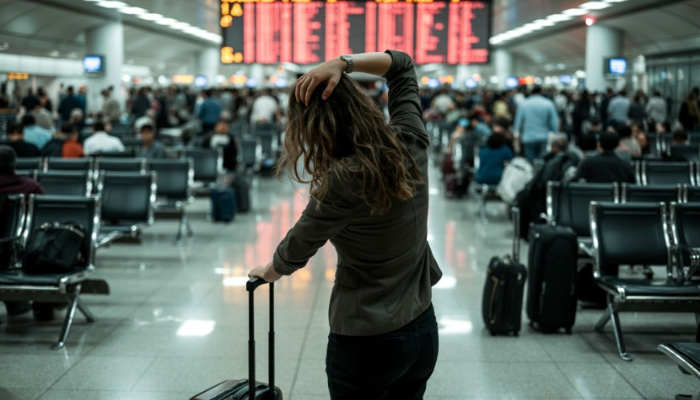

Flight cancellations in Europe have become more frequent in recent years due to rising passenger demand, staffing shortages, and operational disruptions. Many travellers are unaware that they may be eligible for cancelled flight compensation under certain conditions. Understanding how these trends affect travel plans can help passengers make informed decisions and respond effectively when disruptions occur.
Why flight cancellations are increasing
Several factors contribute to the growing number of cancellations across European airports. One major reason is the increase in air travel demand, especially during peak holiday seasons. Airlines often struggle to keep up with this demand due to limited staff and operational capacity.
Weather conditions also play a significant role. Severe storms, snow, or extreme heat can disrupt flight schedules and lead to cancellations. In addition, technical issues and air traffic control restrictions may further affect flight operations.
These challenges have made cancellations more common, especially during busy travel periods. Travelers should stay informed and monitor updates from airlines before departure.
Passenger rights under European regulations
European regulations (specifically EU Regulation 261/2004) provide clear protections for passengers affected by cancellations. If a flight is cancelled, travelers may be entitled to assistance such as meals, refreshments, and accommodation when necessary.
In some cases, passengers may also qualify for financial compensation. This depends on factors such as the timing of the cancellation, the distance of the flight, and whether the airline provided an alternative solution. If passengers are informed well in advance or if the disruption is caused by extraordinary circumstances, compensation may not apply.
Understanding these conditions helps travelers set realistic expectations and take appropriate action.
Common causes behind disruptions
Flight cancellations are not always within the airline’s control. Some of the most common causes include:
- Adverse weather conditions affecting flight safety
- Air traffic control restrictions or strikes
- Technical problems requiring maintenance checks
- Staff shortages or operational limitations
Recognizing these causes can help travelers better understand why disruptions occur and what steps to take next.
How to respond when your flight is cancelled
Knowing how to act during a cancellation can reduce stress and improve outcomes. Travelers should take the following steps:
- Confirm the cancellation with the airline and request official documentation
- Ask about alternative flights or rebooking options
- Keep all travel documents, receipts, and communication records
- Check eligibility for compensation based on EU regulations
Taking prompt action ensures that passengers do not miss important deadlines or opportunities for assistance.
Why choose Skycop?
Many passengers find the claims process complex and time consuming when dealing directly with airlines. This is where platforms like Skycop can simplify the process.
Skycop assists travelers by reviewing eligibility, preparing claims, and communicating with airlines on behalf of passengers. This reduces the need for individuals to handle lengthy procedures or navigate legal requirements on their own.
By using a structured approach, travelers can avoid common mistakes and improve the chances of a smoother experience when seeking compensation.
Conclusion
Flight cancellations in Europe are becoming more common due to various operational and environmental factors. By understanding passenger rights under EU rules, common causes, and the correct steps to take, travelers can manage disruptions more effectively and protect their travel plans.