
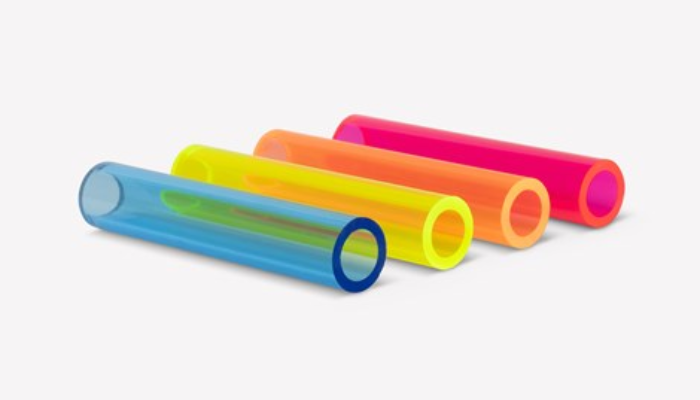

British architecture is undergoing a vibrant transformation. While traditional brick and stone remain staples of our heritage, modern designers are increasingly turning to versatile, synthetic materials to push the boundaries of what’s possible. Coloured plastics have emerged as a primary tool for architects who want to combine structural integrity with bold, aesthetic expression.
This shift is all about how these materials interact with the environment, especially in the often-grey British climate. From striking commercial facades to bespoke residential installations, the use of high-performance polymers is changing how we perceive light, space, and colour in the built environment. By exploring these innovative applications, we can see how the next generation of UK buildings will look and feel.
The Aesthetic Versatility of Coloured Acrylic
Acrylic has become a favourite for architects because of its incredible clarity and the ease with which it can be tinted. Unlike traditional glass, it’s lightweight and highly impact-resistant, making it ideal for daring creative designs that require both safety and style. Designers often use it to create focal points that would be too heavy or fragile to execute with other materials.
One of the most exciting applications is the ability to create stained-glass-like designs with acrylic. By layering different transparency levels and hues, builders can achieve the classic beauty of traditional leaded glass but with a sleek, contemporary finish. This technique allows for intricate patterns and a play of light that can transform a dull interior into a glowing, artistic space.
If you’re looking for high-quality materials for your next project, Simply Plastics provides a wide range of options. They offer various customisation options, including a vast array of colours and thicknesses, to ensure every architectural vision can become a reality.
Playing With Light and Transparency
Light is a fundamental element of architecture, and coloured plastics provide unique ways to manipulate it. Architects use translucent sheets to diffuse natural sunlight, creating soft, ambient glows within a building. This reduces the need for harsh artificial lighting while maintaining a sense of privacy for the occupants.
In larger commercial projects, such as retail hubs or educational facilities, coloured polycarbonate and acrylic sheets are often used in cladding or roofing. These materials can be treated to be UV resistant, ensuring that the vibrant colours don’t fade under the sun. They’ll continue to look striking for decades, reinforcing their reputation for excellence and durability.
Practical Benefits for Modern Construction
Beyond the visual impact, there are several practical reasons why the industry is leaning towards these materials. They’re easier to transport and install than traditional alternatives, which can significantly reduce the environmental impact of a construction site. Many modern suppliers now focus on recycled and recyclable plastics to support ethical and sustainable building practices.
The range of fabrication services available also makes these plastics highly adaptable. Whether a project requires specific shapes or precise finishes, the following methods are often utilised:
- CNC Routing: This allows for complex, computer-guided shapes to be cut with extreme precision.
- Laser Cutting: Perfect for intricate patterns and sharp, clean edges.
- Line Bending: This technique creates seamless curves in plastic sheets, which is ideal for modern, rounded architectural features.
- Pre-drilled Holes: These simplify the installation process on-site, saving time and labour costs.
Innovative Applications Across the UK
We’re seeing these materials appear in various sectors across the country. In the public sector and in engineering, the focus is often on durability, while in the retail and exhibition industries, the emphasis is on making a bold statement. The flexibility of the material means it’s just as useful for a small-scale DIY home renovation as it’s for a major construction project.
Because plastics like polycarbonate and acrylic are so tough, they’re often used in high-traffic areas where glass might be prone to breaking. They offer a reliable and trustworthy solution for builders who don’t want to compromise on safety or design. It’s a forward-thinking approach that embraces modern technology to solve old-fashioned structural challenges.
The Big Picture
The revolution of coloured plastics in architecture is only just beginning. As technology advances, we can expect even more innovative uses for these materials, from smart plastics that change colour with the temperature to even more sustainable, bio-based polymers. They’ve proven that modern materials can be both functional and beautiful.
By choosing versatile plastics, architects and developers can create spaces that are more engaging and resilient. Whether it’s through the clever use of light or the creation of bespoke decorative panels, these materials are helping to build a brighter and more colourful future for the UK’s skylines.